Chair, Band, Dumbbell: A First Strength Plan for Life After 60
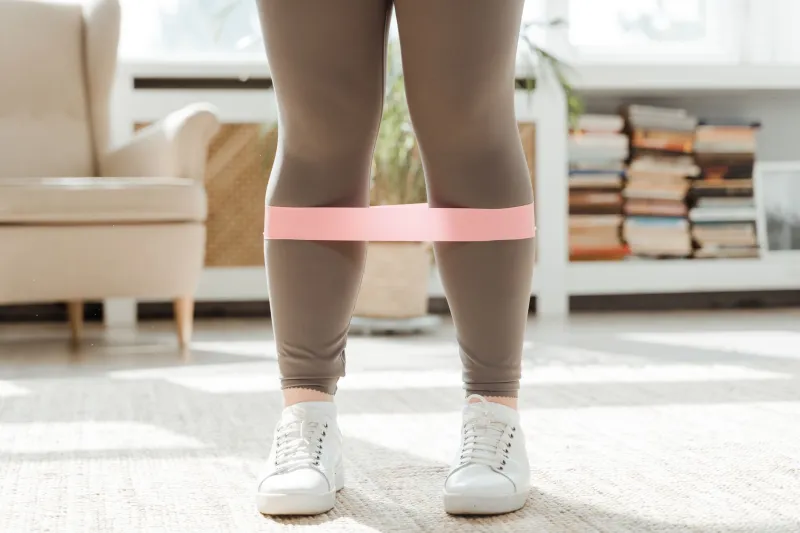
Strength training has a reputation problem. In adverts it looks like clanging plates, complicated machines and people who already know what they are doing. In real life, for a lot of people over 60, it can start with a sturdy chair, a resistance band and a pair of light dumbbells in the spare room. The goal is not to become a powerlifter. It is to make carrying shopping, climbing stairs, getting off the floor and keeping up with grandchildren feel less like a negotiation.
First, have the GP conversation
If you are over 60 and have never lifted before, a quick chat with your GP or practice nurse is sensible, especially if you have a heart condition, uncontrolled blood pressure, diabetes, recent surgery, a joint replacement, osteoporosis, or you have had falls or dizziness. You do not need a note to exercise, but you do need to know if there are movements to avoid. Ask about anything that makes you go 'hmm' rather than waiting for it to become a problem. If you have a long-term condition, ask whether a local exercise referral scheme or a leisure centre Active Adults session is available.
The kit that earns its keep
Keep it simple: a chair that does not slide, a loop resistance band, and a pair of dumbbells you can lift eight times without your form collapsing. For most beginners that is 1kg to 3kg, not 10kg. A bottom stair, a wall and a timer are useful too. You do not need a gym membership to start, although many council leisure centres run gentle strength classes and 50+ sessions that are worth a look if you want company and a bit of guidance.
The four moves to begin with
-
Chair squats. Stand in front of the chair, feet hip-width apart, bottom back towards the seat. Hinge forward slightly, push through your feet and stand up. Sit down with control. Aim for 2 sets of 5 to 8. If that feels like a lot, start with 1 set.
-
Band rows. Sit on the chair, loop the band around a secure anchor at chest height or around your feet, and pull towards your ribs. Squeeze your shoulder blades together without shrugging. Aim for 2 sets of 8 to 12.
-
Seated dumbbell press. Sit tall with a dumbbell in each hand at shoulder height. Press overhead without arching your back. Keep the ribs down. Aim for 2 sets of 5 to 8. If your shoulders complain, try one arm at a time or leave this move out for now.
-
Step-ups to the bottom stair. Hold the banister. Step up, stand tall, step down with control. Aim for 2 sets of 5 each leg. This is balance work as much as strength work, so take it slowly.
Rest days are not lazy days
Start with two sessions a week, ideally with a rest day between them. Your muscles need roughly 48 hours to recover when you are new to this. On off days, go for a walk, do a bit of gardening or simply let your body catch up. A little soreness is normal; sharp pain, joint pain that lingers or a sudden drop in energy is not. Do not add load just because you feel you should. Sleep, regular meals and a bit of protein at meals will do more for your progress than an extra set you are not ready for.
The eight-week progression
Weeks 1 and 2: two sessions per week. Do one set of each move, then a second set only if your form holds. Finish feeling like you could do a little more.
Weeks 3 and 4: keep two sessions, add one or two reps to each set. If the last rep is smooth, add a second set. Do not add exercises yet; get comfortable with the ones you have.
Weeks 5 and 6: if recovery is good, add a third session or a short home session on a different day. Keep the same moves. A 15-minute session is still a session.
Weeks 7 and 8: increase dumbbell weight by 0.5kg to 1kg, or add a set. Change one thing at a time so you know what caused the progress. If you feel flat, take a lighter week and come back to it.
Using your local leisure centre
If training at home does not appeal, ring your local leisure centre and ask about 50+ strength, chair-based circuits or Active Adults sessions. Ask whether the instructor is qualified to work with older adults and whether you can try a taster session. Many centres are quiet mid-morning, which suits people who do not fancy a busy gym floor. You do not have to be fit to start; that is the point of getting started.
When to stop and ask
Stop if you get chest pain, dizziness, unusual shortness of breath or sharp joint pain. Muscle tiredness after a session is fine. Pain that lasts more than a few days, or a joint that feels worse rather than better, is worth a conversation with your GP or a physio. Strength training should make everyday life feel easier, not leave you afraid of the stairs.
The everyday test
The real measure of this plan is not what you can lift in eight weeks. It is whether the carrier bags feel lighter, the stairs feel shorter and getting up from the sofa feels less dramatic. That is strength you can use. And that is worth a bit of chair squatting in the spare room.