When the Leisure Centre Shuts Its Doors: A Plan for the Refit Month
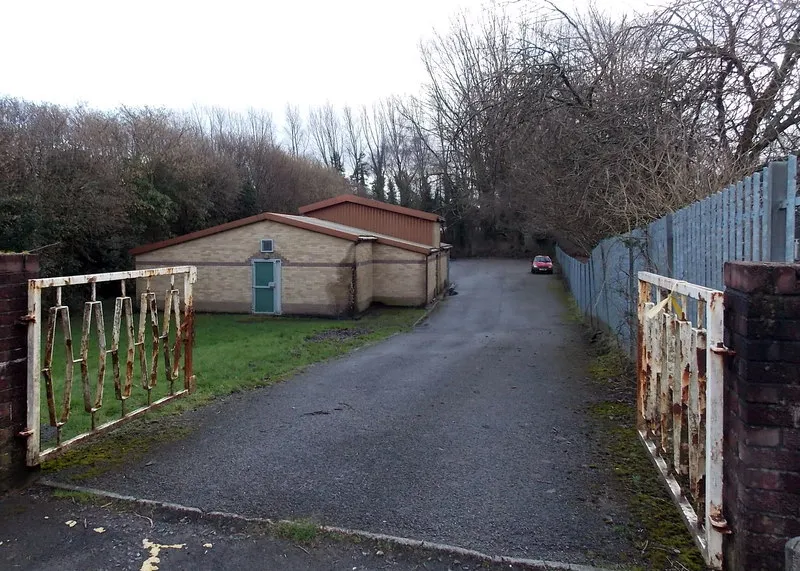
Photo: Syced, CC0, via Wikimedia Commons
You've done the hard bit. Four months of Tuesdays and Thursdays at 7pm, same rack, same bloke on the cable machine, same slightly-too-warm changing room. It's become muscle memory. And then you walk up on a wet November evening to find a laminated A4 sheet taped to the door: closed for essential maintenance, reopening soon, apologies for any inconvenience.
The inconvenience is not the point. The point is that a four-to-eight week gap is precisely the length of time it takes a new habit to quietly die, and nobody at the council is going to send you a plan to stop that happening. So here's one.
First, read the contract you skimmed
Most council leisure centres in the UK aren't run by the council directly any more. They're operated by trusts and leisure companies — Better, Everyone Active, Places Leisure, Freedom Leisure, your local trust with a name like a housing association. Which means your membership terms come from them, not from the building.
Almost every one of those contracts has a closure clause. It's just buried. Before you buy a single resistance band, do three things in writing, by email, so there's a paper trail:
- Ask for a freeze. Not a cancellation — a freeze. Most operators will pause the direct debit for the closure period if you ask, and many won't offer until you do.
- Ask about the sister site. Operators rarely run one building. There's often another pool or gym twenty minutes away on the same membership, and the closure is exactly when the transfer is easiest to authorise.
- Ask what happens to the days you've paid for. Some will add them to the end of your contract; some will refund pro rata. Both are fine. Silence is not.
Do not cancel. Cancelling means a fresh joining fee in January, a fresh induction, and a fresh excuse not to go back.
The honest inventory of what you've already got
Before spending anything, write down what's within a twenty-minute radius. Most people find more than they expected:
- A patch of floor roughly two metres by one.
- A park, a rec ground, or a canal towpath.
- A village hall or community centre — often £8 to £15 an hour, sometimes less for residents.
- A different council pool that isn't the one being rewired.
- A flight of stairs and a chair that doesn't swivel.
That's a training facility. It's not a good one, but it's a training facility, and four weeks of it will hold your strength roughly where it is.
The four-week shape
Two strength slots, two aerobic slots, one wildcard. Thirty to forty minutes each. Keep the same days you always used — Tuesday and Thursday stay Tuesday and Thursday. Same time, different place. That's the whole trick.
Strength, without a rack. You're not going to squat heavy, so stop trying. Work what bodyweight and a band can genuinely load:
- Split squats and step-ups onto a stair or a park bench — single-leg work creates real demand with no plates.
- A hinge. A 15kg bag of sand from a builders' merchant costs under a tenner; double-bag it and carry it in a rucksack. Ugly, effective, exactly the right spirit for a refit month.
- Push-ups, in whatever variation you can actually do for eight clean reps.
- Rows with a band looped round a sturdy banister or a park railing.
- Farmer's carries with loaded shopping bags, four laps of the garden or the hall.
Two bands — one light, one heavy — will set you back about £15 and cover more ground than you'd think. That's the entire equipment budget.
Aerobic, which is easy in November if you commit. Lane swimming at the pool that's still open. A drop-in spin class at a different gym, usually £6 to £8. Stair intervals in the stairwell. A Saturday parkrun, which is free and full of people who also had their gym shut.
The pool deserves a fair hearing
Aqua aerobics has an image problem and a genuine training effect. Water gives you resistance on every direction of movement and takes the sting out of the joints, which matters if the refit has landed in a cold, damp month when everything aches. Many councils sell a cheap swim-only pass separately from the gym membership — ask at reception, because it's often not advertised online.
Renting a hall without losing the will
Halls are cheap per hour and grim on your own. Book with one other person, bring a mat, a band and a bag of sand each, and run it as a circuit with stations — forty seconds on, twenty off, three rounds. Forty minutes including setup. If you can't find a partner, a hall is still better than nothing, but be honest that you'll do less in it.
What not to pretend
A spare bedroom is not a weights floor. Don't buy a barbell set you'll use nine times, don't plan a progressive squat programme you can't load, and don't tell yourself this is a chance to "reset". It's a maintenance block, and maintenance blocks are legitimate. You are trying to arrive back in the new year at the same place you left, not further ahead.
Week four: the return
Rejoin on day one rather than "next week". Go lighter than feels right for the first session back — the DOMS after a month off is disproportionate and demoralising. Give it three sessions before you judge anything.
And when the doors open again, walk in the same way you walked out: Tuesday, 7pm, same rack. The habit survived because you moved it two hundred metres, not because you rebuilt your life around it.