Your Allotment Is a Gym With Mud On It: A Winter Strength Plan for Plot Work
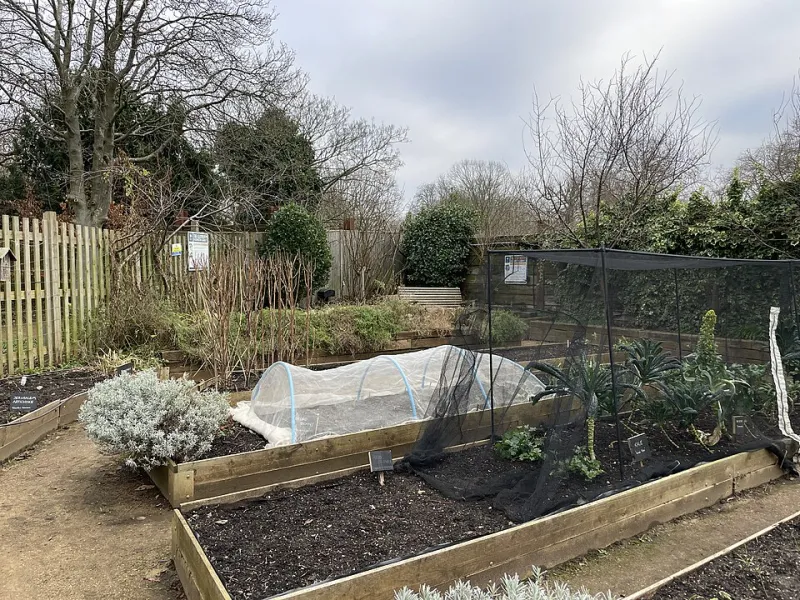
Photo: Mr Ignavy , CC BY-SA 2.0, via Wikimedia Commons
Most people don't join a gym in November. They put on a coat, unlock a shed, and spend an hour wrestling a fork out of clay. If that sounds familiar, here's the useful bit: winter plot work is strength training. It's just unplanned, cold and often done with poor form. At Fitness Station we're not going to tell you to swap the allotment for a squat rack. We're going to help you make the work you already do count.
Warm up before you lift a fork
Arriving at the plot and immediately attacking a compost heap is like walking into the gym and loading a bar. Cold muscles, stiff hips and a heavy tool are a poor combination. Give yourself five minutes.
Walk the length of your plot once, then run through a few simple movements: shoulder circles, hip hinges, bodyweight squats, arm swings and slow calf raises. Hold the handle of your fork or spade and practise a few gentle hinges, pushing your hips back rather than rounding your spine. If the ground is frosty or the shed is freezing, add another minute of marching on the spot. It feels daft. It also makes the first ten minutes of digging far less creaky.
Digging is a hinge, not a wrestle
Digging gets a reputation as back-breaking work, but it doesn't have to be. Stand with your feet roughly hip-width apart, keep the tool close, and hinge at the hips as you push the fork in. Drive through your legs to lift, rather than yanking with your lower back. If the soil is heavy clay and sodden, don't dig it at all — wait for a drier spell. Wet clay is heavy, sticky and stubborn, and hauling it about is a quick route to a tweaked back.
Work in short bursts and swap sides. Ten minutes of digging, then a pause to move a bucket or tidy the path. That small break lets your form recover before it falls apart. Think steady pressure, not heroic effort.
Wheelbarrows and compost bags are loaded carries
A full wheelbarrow is essentially a loaded carry with a view. The mistake is overfilling it, then lifting the handles with straight arms and a rounded back. Fill it to a level you can control, keep the load close, and push rather than jerk. On uneven ground, take smaller steps and keep your elbows slightly bent.
Compost bags and pots are the plot's dumbbells. A 40-litre bag of compost is awkward rather than neatly balanced, so treat it with respect. Lift with a flat back, bend your knees, keep the bag against your body and exhale as you stand. If you need to move it far, use a trolley or split the load. There's no prize for carrying a bag of muck across three plots in one go.
Pots, slabs and the deadlift you didn't plan
Moving terracotta pots, paving slabs or water butts is where good intentions often meet bad backs. Before you lift, ask whether the object can be tipped, rolled or moved in stages. Clear the path first. Wear gloves with some grip. If it's genuinely too heavy or too awkward, wait for help — most allotment sites have a neighbour who will happily swap a lift for a brew.
When you do lift, set up properly: feet planted, load close, chest up, then stand by pushing the floor away. Avoid twisting while carrying. Turn with your feet, not your spine. And put the load down the same way you picked it up, rather than dropping it from waist height.
Pace the plot like intervals
Gardeners often work for two hours straight and then wonder why their hamstrings are complaining. A better approach is to treat the session like intervals: ten to fifteen minutes of a heavier job, two or three minutes of easier work, then switch tasks. Dig, then weed. Barrow, then tidy the shed. Lift pots, then have a drink.
Aim for a pace you could repeat tomorrow. You should feel like you've worked, not like you've been in a fight with a hedge. If you're breathing hard enough that you can't chat, ease off. The plot isn't a race, and the weeds will still be there after a sit-down.
Recovery is part of the session
Finish with a few minutes of easy movement: a slow walk, some gentle hip flexor stretches, calf stretches and shoulder rolls. Have a proper drink — a flask of tea counts, but water matters too. Eat something with protein and carbohydrates when you get home, especially if you've been out in the cold for a while.
Expect some soreness in your glutes, hamstrings and forearms if you've had a big plot day. That's normal. Sharp pain, numbness or pain that lingers for days is not. If something feels wrong, stop and get it checked. If you have an existing back, knee, heart or blood pressure condition, speak to your GP or a health professional before taking on heavy plot work.
A simple winter plot plan
Try this once or twice a week when there's real work to do:
- Five minutes of walking and mobility.
- Ten minutes of digging or forking, with a break halfway.
- Five to ten minutes of barrowing or moving compost.
- Ten minutes of pot-lifting, bed-tidying or path clearing.
- Five minutes of easy movement and a flask break.
That's a full-body session without a single dumbbell. It won't replace a structured gym programme if strength is your main goal, but it absolutely counts as useful physical work. Treat the plot like a gym with mud on it: warm up, use good form, pace yourself and recover. Your back — and your winter vegetables — will thank you.