Layer Up, Stroll Down: A Dark-Evening Cool-Down for the Journey Back
Photo: The Fullbright Company - http://www.thefullbrightcompany.com, CC BY-SA 3.0, via Wikimedia Commons
Most gym sessions in the UK don’t end with a graceful cool-down. They end with a rushed exit, a cold blast of air and the realisation that it’s already dark at half four. You’re tired, your bag is digging into one shoulder, and the last thing you want is another workout. Fair enough. But the journey home is already happening. With a small shift in approach, those ten to twenty minutes can become the recovery bit you keep meaning to do — without adding another task to your evening.
The cool-down you’ve already booked
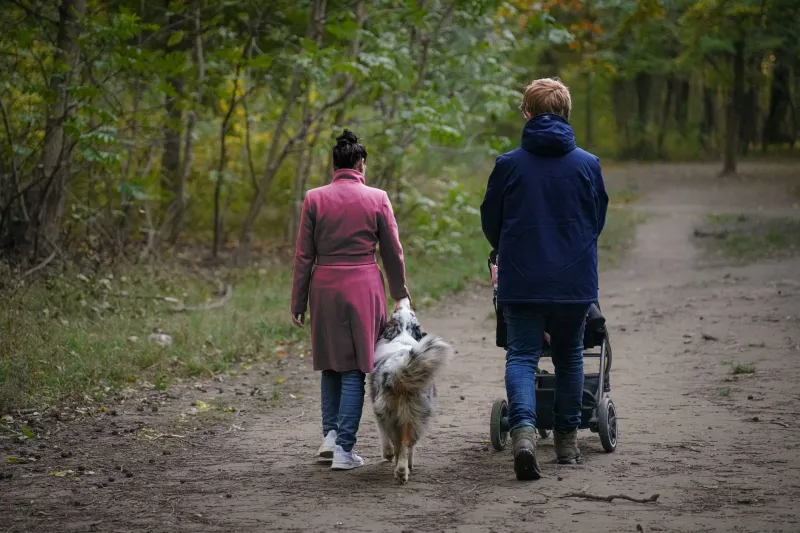
Think of the walk home as a bridge between training and normal life. It isn’t a second session, and it isn’t meant to leave you puffed out. It’s a chance to let your breathing settle, get your legs moving gently and stop the cold from hitting you like a wall the second you step outside. If you’ve just done a heavy leg session, a brisk march to the bus stop probably won’t feel great. If you’ve done a spin class, standing still in a cold bus shelter is its own kind of misery. A slow, purposeful stroll sits nicely in the middle.
The good news is that you don’t need a foam roller in your rucksack or a stretching routine you half-remember from a poster. You just need to treat the first part of the trip home as part of the session, not an escape from it.
Why a slow walk beats a frantic dash
After training, your body is warm, your muscles have been working and your heart rate is up. Stepping straight into a cold, dark evening and standing still can make you feel stiff and shivery. A gentle walk helps you come down gradually. It keeps blood moving, gives your breathing a chance to slow and loosens off the hips and calves that have been locked into position on the treadmill or under a barbell.
It won’t magically stop soreness or guarantee you bounce out of bed tomorrow. But it can make the difference between feeling creaky on the sofa and feeling like you’ve finished the session properly. It’s also a useful mental marker: gym done, day continuing, no need to rush.
A ten-to-twenty minute plan that fits real life
You don’t need to measure anything. Use the walk to the bus, the train or the front door as your guide.
- First two minutes: easy pace. Let your shoulders drop and your breathing settle. Don’t scroll on your phone while crossing roads — save it for the bus.
- Next five to ten minutes: steady stroll. Relaxed arms, normal stride, no power-walking. If you’re getting the bus, get off a stop early when it’s safe and well lit.
- Last few minutes: if you’re waiting at a stop, do a few quiet calf raises, ankle circles or shoulder rolls. Nothing dramatic. You’re just reminding your body that it can move in ways other than “gym bag carry”.
That’s it. If the walk is only eight minutes, fine. If it’s twenty, even better. The point is consistency, not perfection.
Dress for the walk, not the workout
This is where a lot of dark-evening plans fall apart. You leave the gym in a damp T-shirt, put a coat over the top and spend the whole journey home clenching your jaw. Once you stop training, you cool down quickly. A dry base layer, a fleece or mid-layer and a waterproof shell will do more for your recovery than any fancy supplement.
Keep a hat and gloves in your bag from November onwards. They weigh almost nothing and make the difference between a relaxed stroll and a teeth-chattering sprint. If you sweat heavily, a spare dry top is worth the extra bulk. And don’t forget something reflective — a strip on your jacket, a bag cover or a small clip-on light. Dark evenings are not the time to blend into the background.
Dark routes, sensible shortcuts
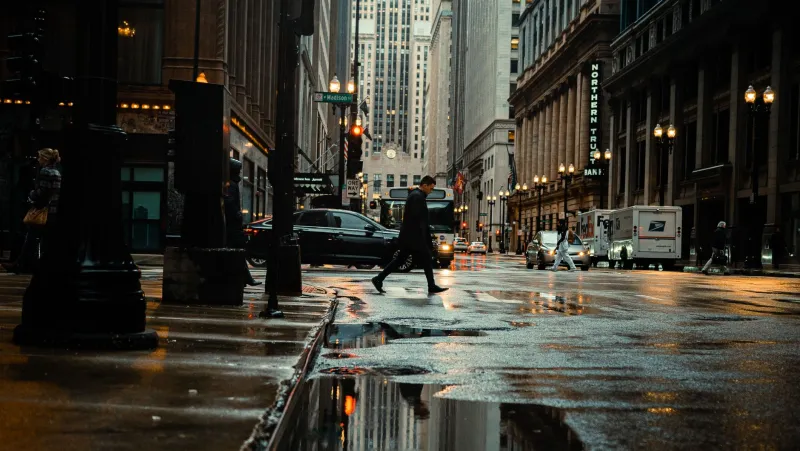
A recovery walk should feel easy, not edgy. Stick to well-lit pavements and use proper crossings, even if the quiet road looks clear. Keep your phone somewhere accessible but not in your hand the whole way. If you’re wearing headphones, keep the volume low or leave one ear free, especially near bus stops, car parks and side streets.
Tell someone you’re heading home if it’s late, and trust your gut about the route. A longer, brighter way is better than a shortcut through an unlit alley. If you’re waiting at a stop, stand near other people and under a light. None of this is dramatic; it’s just the practical stuff that keeps a good habit from becoming a hassle.
Bus stops are for fidgeting, not stretching
There’s a time and a place for a deep calf stretch against a bus shelter. That time is usually not 8pm on a wet Wednesday with a queue of people pretending not to watch. Keep it subtle. A few calf raises, some slow shoulder rolls and a gentle shift from foot to foot will do the job. If your hips feel tight, try standing tall and shifting your weight slowly from side to side. If the stop is crowded, just breathe and let the walk do the work.
The aim is to avoid stiffness, not to prove anything to the 43 bus.
When the walk home should just be a walk
If you feel dizzy, overly tired, injured or just completely done, get the bus or a taxi. A recovery plan should reduce friction, not add risk. Very cold, very wet or icy conditions are also good reasons to cut the walk short. You’re not failing at recovery; you’re being sensible. The best version of this habit is the one you can repeat next week without dreading it.
Make it the default
Keep your hat and gloves in the same pocket. Leave the gym with your coat done up, not flapping open. Pick a regular route that you know is lit and easy to cross. If you’re a bus person, choose a stop that’s a short walk from the gym rather than the one right outside the door. These tiny decisions make the recovery walk feel automatic rather than like another item on your to-do list.
The session doesn’t end when you swipe out at reception. The walk home is part of it — a quiet, useful bit of movement that helps you finish properly and get back into the rest of your evening. Layer up, stroll down, and let the journey do a little of the work.