The Hall, the Bag, and the Tuesday Crew: Building a Village Strength Club That Lasts
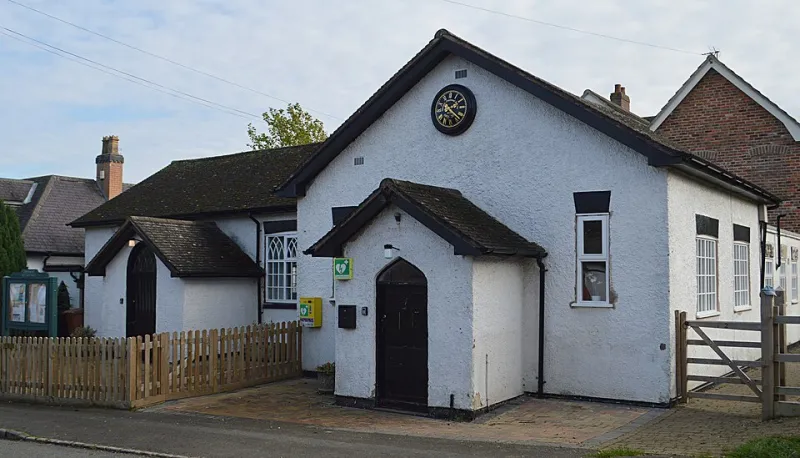
Photo: Russ Hamer, CC BY-SA 4.0, via Wikimedia Commons
The nearest proper gym is 14 miles away. The last bus back leaves before the evening class finishes. And yet, in a draughty hall behind the church, a dozen people are doing goblet squats with a set of dumbbells that live in a plastic storage box labelled 'Property of the Tuesday Club'. This is not a compromise. It is often the most consistent strength training you will ever do.
Starting a small-town strength session is less about fitness expertise and more about logistics. You need a room, a kit bag, a plan that suits a mixed group, and a handful of habits that stop the whole thing fizzling out by February. Here's how to make it work without turning your life into a second job.
Book the Room Before You Buy a Single Dumbbell
Village halls are usually run by a charitable trust or the parish council, and the booking process is refreshingly straightforward. Ring the number on the noticeboard, ask for the booking secretary, and be specific: which evening, how many hours, and whether you need storage space. Most halls charge between £10 and £25 an hour for a regular weekly slot, and many will do a cheaper rate for a block booking paid termly.
Ask three questions before you sign anything. First, is there a keyholder arrangement for evenings, and who opens up if the usual person is on holiday? Second, is there somewhere lockable to leave a kit box between sessions? Third, what does the hall's own insurance cover, and what do you need to bring yourself?
The insurance bit sounds dull but matters. The hall will have buildings cover and usually some public liability for its own activities, but that rarely extends to a fitness group running its own sessions. You will need public liability cover for the club, typically £5 million, which for a small non-profit group often costs £60–£120 a year through a specialist provider. If you are charging subs, keep a simple record of income and outgoings. A basic risk assessment — trip hazards, fire exits, first aid kit, whether there is a defibrillator on site — takes twenty minutes and satisfies most halls. If any member has a health condition, ask them to check with their GP and note it privately. You are not a medical service; you are a group of people lifting weights in a hall.
Kit That Fits in a Cupboard, Not a Van
You do not need a commercial gym's worth of equipment. For a group of eight to twelve people, a sensible starting kit looks like this:
- Three pairs of adjustable dumbbells (2–10kg per hand) or a set of fixed dumbbells from 4kg to 12kg
- Two kettlebells (8kg and 12kg) for hinges and carries
- A set of resistance bands, including long loop bands and short mini-bands
- Eight to ten exercise mats (the thin yoga kind, not camping mats)
- A whiteboard and pen for the session plan
- A first aid kit, a timer, and a lockable storage box
Buying new from a budget sports retailer will set you back £300–£450. Buying second-hand from local selling pages, car boot sales, or a gym that is upgrading its kit can halve that. Ask members to donate spare dumbbells they never use. Label everything with the club name and keep an inventory taped inside the box lid. The kit should be heavy enough to be useful and light enough that one person can wheel it into the hall on a trolley.
A Four-Week Circuit for Mixed Abilities
The trick with a village club is that you will get a 28-year-old runner, a 62-year-old who has never lifted, and someone recovering from a bad back — all in the same hour. The answer is a circuit with scaling options, not separate classes. Everyone does the same movements; the load and range of motion change.
Warm-up (6 minutes): march on the spot, arm circles, hip hinges with a band, bodyweight squats, and shoulder taps in a plank position. Keep it simple and demonstrate everything.
Circuit (three rounds, 40 seconds work, 20 seconds rest):
- Goblet squat or box squat (hold a dumbbell at the chest, or sit back to a chair)
- Single-arm dumbbell row (support the other hand on a chair or bench)
- Standing overhead press (seated if needed; bands are fine)
- Romanian deadlift or kettlebell hinge (bodyweight hinge for beginners)
- Farmer carry (walk the length of the hall with a weight in each hand)
- Dead bug or bird dog for the core
Cool-down (5 minutes): gentle stretches for hips, hamstrings, and shoulders. Finish with a round of applause for whoever turned up in the rain.
Run the session for 45–50 minutes including setup and pack-down. Demonstrate each station once, then let people choose their level. The golden rule: nobody lifts a weight they cannot control for the full set. Ego is not invited.
The Small Habits That Keep the Lights On
A volunteer-run club lives or dies on small routines. Set up a WhatsApp group and post the session plan the night before, even if it is the same as last week. Create a rota for who unlocks the hall, who brings the flask, and who counts the subs. Keep subs low — £3 to £5 a session is normal — and use the money for hall hire, insurance, and replacing worn-out bands.
Winter is the real test. Buy a cheap dehumidifier for the storage cupboard, keep a spare key with two different people, and agree a cancellation policy for snow and ice that does not rely on one person's judgement. If numbers dip, do not panic. A club that runs every week with four people is still a club. A club that cancels because only four people came is a memory.
Finally, make it easy to join. Put a poster in the post office, the doctors' surgery, and the church porch. Say 'beginners welcome, no experience needed, first session free'. The people who need this most will not walk into a gym, but they will walk into a village hall on a Tuesday if they know someone will say hello.
The drive to the nearest gym will still be 14 miles. You will just stop making it.