Water Wings Optional: Easing Into Aqua Aerobics When Lengths Fill You With Dread
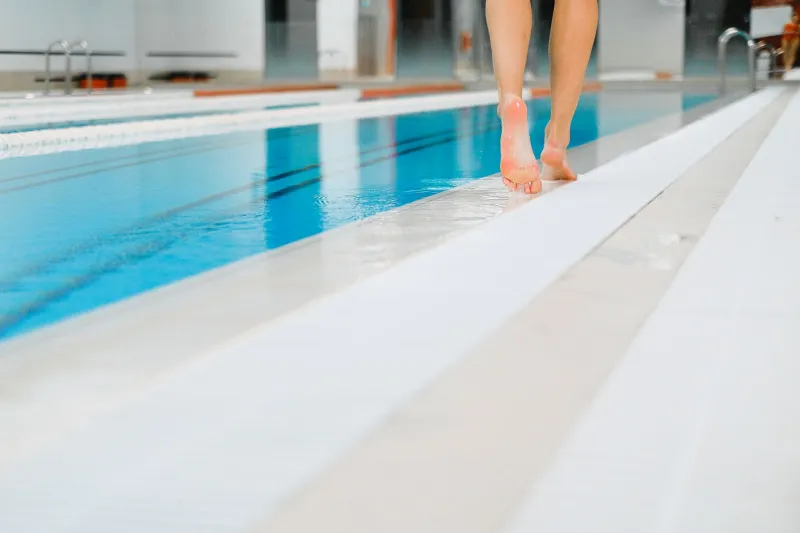
There's a particular smell to a council pool on a Tuesday morning: chlorine, faintly warm air, and the sound of someone's flip-flops echoing off the tiles. For plenty of adults, that smell triggers a very specific dread. Not of exercise, exactly. Of the lanes. Of the unspoken rule that you should be able to swim 20 lengths without stopping, or at least look like you could.
Good news: the pool has a back door for people who feel like that. It's called aqua aerobics, and it is genuinely one of the most forgiving forms of exercise a UK leisure centre offers. No stroke technique. No goggles. No pretending you enjoy getting water up your nose. You turn up, you stand in the shallow end, and you move to music for 45 minutes with a group of people who are mostly just glad to be out of the house.
What actually happens in an aqua aerobics class
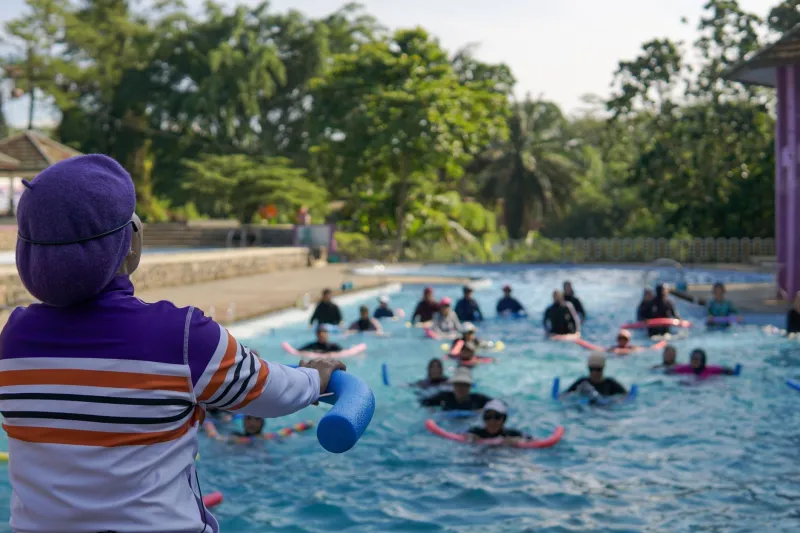
Most sessions run in chest-deep water in the shallow end, which means your feet stay on the floor for the vast majority of the class. The instructor usually stands on poolside with a microphone headset, and the music is loud enough to hear underwater but not so loud that you can't chat to the person next to you.
A typical class goes roughly like this: a warm-up of walking and gentle arm swings, then a main block of jogging on the spot, knee lifts, side steps, leg kicks and arm presses against the water's resistance. You'll probably use a noodle or a float belt for a few tracks. Then there's a cool-down, some stretching, and everyone drifts towards the changing rooms feeling pleasantly wrung out.
What you won't be asked to do: put your face in, swim a length, or hold your breath. If a move doesn't work for you, you just do the easier version. Instructors are used to mixed abilities, and most will happily show you a modification if you catch their eye.
The reason it works is simple. Water gives you resistance in every direction, so your muscles work harder than they feel like they are, while the buoyancy takes the load off your knees, hips and back. For anyone carrying extra weight, recovering from injury, or just tired of the gym floor, that combination is hard to beat.
Picking a class that won't scare you off
Class names vary wildly between providers. You'll see 'Aqua Fit', 'Aqua Aerobics', 'Aqua Tone', 'Aqua Zumba' and the slightly ominous 'Deep Water Aqua'. Start with anything described as shallow-water or gentle. Deep-water classes use float belts and no floor contact, which is brilliant once you're confident but not the place to begin.
Ring the leisure centre and ask two questions: how deep is the water, and how big is the class? A pool that's 1.2 metres deep with 12 people in it is a very different experience from a 1.8-metre pool with 30. Off-peak weekday morning sessions tend to be quieter and slightly older-skewed, which usually means a more relaxed pace. Council-run pools and trust-run centres like Better or Everyone Active often charge £5 to £8 a session, and many offer a free trial or a pay-as-you-go option, so you're not locked into a membership before you've tried it.
Ask at reception whether you can watch a class from the side first. Most will say yes. Ten minutes of spectating does more for nerves than any amount of reading.
What to take, and what to leave at home
You need far less kit than you think.
- A swimming costume you can move in. A bikini is fine if that's what you own, but a one-piece or tankini tends to feel less precarious during side steps.
- A towel, and a second smaller one for your hair if you have a lot of it.
- Flip-flops or pool shoes for the changing room and poolside.
- A padlock, because most UK leisure centres still want a pound coin or a proper lock for the locker.
- A water bottle. You sweat in the pool, you just don't notice.
You do not need goggles, a swim cap, a nose clip, or special aqua trainers. Aqua shoes are a nice-to-have if the pool floor is rough, but nobody will look at you sideways if you're barefoot. Leave the fancy kit until you know you're sticking with it.
The six-week gentle start
Week one: watch, then wade in. Book a shallow class and stand at the back. Do the warm-up and half the main block. If you need to stop, stop. The goal is to leave thinking 'that was fine', not 'I smashed it'.
Week two: full class, half effort. Do every track, but keep your arms lower and your steps smaller than the instructor's. You're learning the choreography, not chasing a calorie burn.
Week three: add the arms. Once your legs know what they're doing, start pushing your hands through the water properly. This is where aqua aerobics stops feeling like a paddle and starts feeling like a workout.
Week four: pick up the pace. Try a noodle under one foot for balance work, or a float belt if the instructor offers one. You'll notice the class feels easier than it did in week one, which is the whole point.
Week five: go a little deeper. If your pool has a mid-depth section, try a track or two there with a belt. Or simply book a second class in the same week. Confidence comes from repetition, not from one heroic session.
Week six: make it a habit. Two sessions a week is plenty to start. Try a different instructor if you can, because teaching styles vary enormously and you might find one whose cues just click.
The bits nobody warns you about
Getting out of the pool feels strangely heavy, like your body has been filled with sand. That's normal, and it passes in a minute. The changing rooms are the real endurance event, so give yourself time and don't schedule anything immediately after. Class regulars will probably chat to you, which is lovely if you're sociable and mildly alarming if you're not; a polite smile works fine either way. And expect mild soreness in your shoulders and inner thighs the day after your first session. It fades.
If you have a heart condition, uncontrolled blood pressure, or you're recovering from surgery, have a word with your GP first. Otherwise, the main risk is discovering you actually enjoy it.
The pool isn't just for people who can swim beautifully. It's a gym with cushioning, and it's been waiting for you the whole time.